Cellar Contemporary, sharing the stand with Studio d’Arte Raffaelli, is participating for the first time to the 6th edition of Roma Arte in Nuvola, which is taking place at Nuvola di Fuksas from 19 to 22 November 2026
The exhibition project, which includes both galleries, presents for Studio d’Arte Raffaelli a focus on the most recent exhibitions which took place in the gallery (Suzanne Unrein, Gian Marco Montesano, Mario Giacomelli) and a selection of the most representative American artists from the 80s. The exhibition project for Cellar Contemporary concerns the following artists: Melissa Brown, Tommaso Buldini, Bruno Fantelli, Erik Foss, Zana Masombuka, Margherita Paoletti, Filippo Rizzonelli, Solomostry.
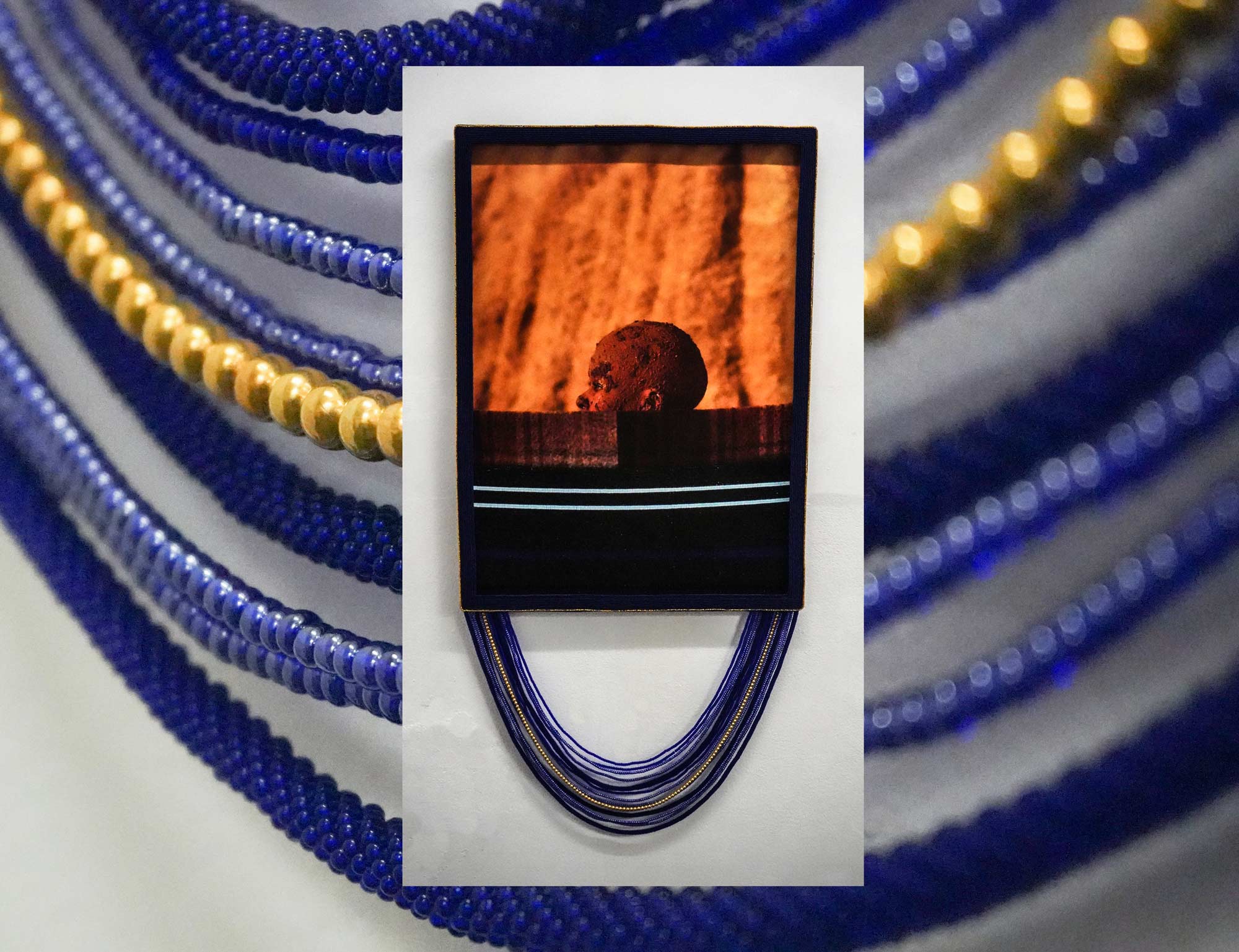
Zana Masombuka (Siyabuswa, 1995) is a South African artist currently presented in the personal exhibition Ukuthebulwa KweThoro: Possession, Stillness and Sitting with Symbolic Symphonies at Cellar Contemporary. Her photographic portraits are in dialogue with her frames, which are composed of beadworks made manually following the traditional Ndebele costumes. The exhibition aims to focus on the spiritual presence in the current moment: analogic photographs, which witness the instant, are placed side by side with a long and meditative labor that gives birth to the frames made of beads. The closeness of these two contrasting modes of living and reproducing the instant lets the viewer a space to reflect on the approach to the existential presence.
Among the American artists recently presented at Cellar Contemporary are exhibited new works by Melissa Brown (United States, 1974) and by Erik Foss (United States 1973), who express themselves using different artistic languages: Melissa Brown explores everyday life event using symbolic pattern, hidden messages and transformations which reveal the complexity hidden in the reality. Erik Foss, on the other hand, mixes the punk, underground and graffiti aesthetic, often including character and myths from pop culture. Both artists share the recall to a reality present in the mental world of the viewer which is elusive, covered with an oneiric element or laying in a collective imaginary welcomed by everyone but not totally definable.
Solomostry (Milano, 1991) abandons the intelligible figurative scope. His presented works refers to his most recent research, which focus on the identity theme. The artist refers to the identity dimension that is often hidden behind the appearance to protect fragilities. The analysis of this shield leads to the creation of works depicting monstrous masks where only the essential elements remain. The pictorial trait used is essential and synthetic, characterized by a bold and continuative line.
The theme of the monstrous is investigated by Bruno Fantelli (Cels, 1996) and Tommaso Buldini (Bologna, 1979) too. Both artists represent fantastic and grotesque characters, but those figures are differently characterized. Bruno Fantelli represents chaotic masses of monstrous being using quick brushstrokes and that makes it almost impossible to distinguish the single figures. Tommaso Buldini, on the other hand, fills his compositions with recognizable figures which are far from the viewer’s reality because of the absurd, contradictory and dream like characterizations. These artists differ also in the colors used: Fantelli often chooses muted and dusty color tones for his creatures, while Buldini uses fluorescent tones that stand out in his dark ambients.
A conflict with these restless and dynamic dimensions is created by the works by Filippo Rizzonelli (Riva del Gard 1991) and by Margherita Paoletti (Fabriano , 1990), which are characterized by a intimate atmosphere. Both artists’ works let nature be the main character: in Rizzonelli nature is a bucolic and liberating dimension, while in Paoletti nature is the intermediary for analyzing introspectivity. The works by Rizzonelly are, indeed, often composed of natural landscapes and rarely human figures. When human figures are present, they evoke a dimension far from the urban daily life. In the Work by Paoletti human figure is often the main character. The subject is presented using a point of view which penetrates his inner self: natural elements are used to describe sentiments, emotions and character traits hidden in the depicted bodies.
The exhibition will be collocated in the stand C24.


